Blog
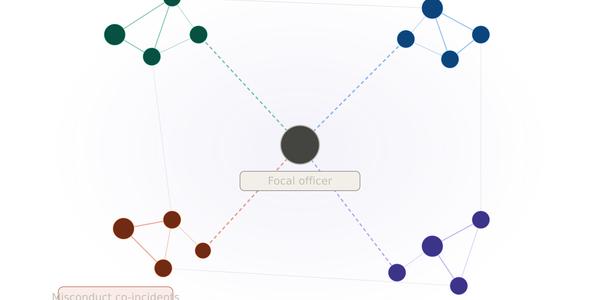
The Role of Networks in Policing
Drawing on recent studies using social network analysis, this review details how inter-policing connections influence a variety of outcomes, from …
Read more →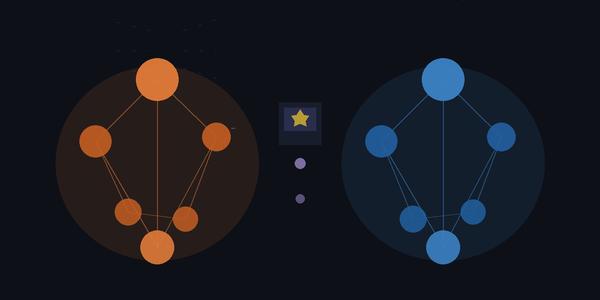
The Influence of Workplace Friendships on Police Firearm Use
We found that firearm behaviours clustered within workplace friendship networks, with officers’ firearm use closely aligning with that of their …
Read more →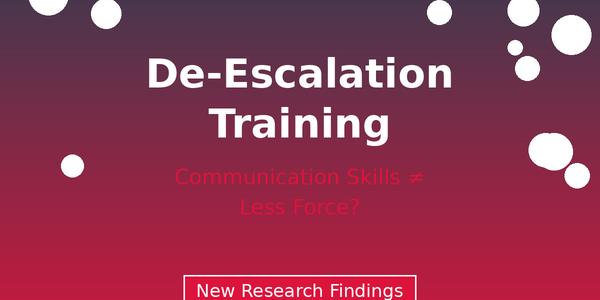
Does De-Escalation Training Actually Reduce Police Use of Force? New Research Reveals a Critical Gap (Re-blog)
Our new study found that de-escalation training improved how officers communicate with citizens, but didn’t reduce use of force incidents. …
Read more →
Come check us out at ASC!
The VIPR Lab will be at the American Society of Criminology’s annual meeting this year in Washington, D.C. Our presentation is called …
Read more →
Invite Only: The Prevalence of Subgroups Within A Police Department
BACKGROUND: WHAT ARE POLICE SUBGROUPS? Policing is inherently collaborative. Officers develop strong bonds to navigate stressful, high-pressure …
Read more →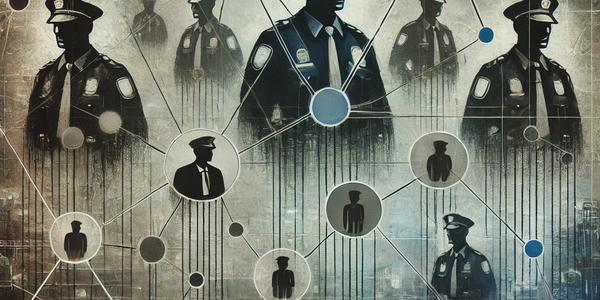
Partners in Force? Understanding Police use of Force from a Network Perspective
BACKGROUND: WHAT DRIVES OFFICERS TO USE FORCE TOGETHER? Police use of force tends to involve groups of officers rather than individuals acting alone. …
Read more →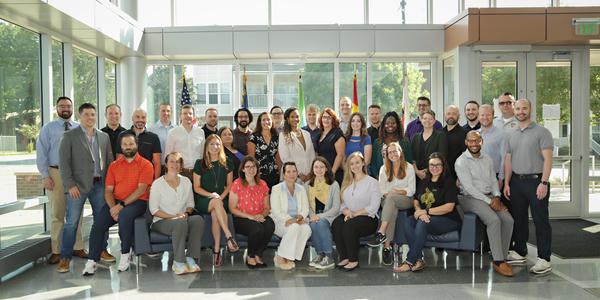
Wrapping up my first year as an AC/DC instructor
Over the past year, I’ve been a founding instructor for the American Society of Evidence-Based Policing (ASEBP) Applied Criminology & Data …
Read more →
We had a great time in Philadelphia at the 2023 ASC Meeting!
We were a busy group at ASC this year, but we remembered to snap a few pictures at our second annual VIPR Lab Panel. First up, Natalie shared some …
Read more →
Officer Diversity May Reduce Black Americans’ Fear of the Police (Re-Blog)
(Re-posted from Dr. Nix’s website). NOTE: This paper was originally posted as a pre-print on SocArXiv on August 25, 2022. On July 27, 2023, it …
Read more →
When police pull back: Neighborhood-level effects of de-policing on violent and property crime (Re-Blog)
(Re-posted from Dr. Nix’s website). NOTE: This paper was originally posted as a pre-print on SocArXiv on March 3, 2023. On October 2, 2023, it …
Read more →
How Generalizable are Findings from Police Surveys? (Re-Blog)
(Re-posted from Dr. Nix’s website) Background Like 5 years ago, Erin Kearns and I set out to answer two relatively simple questions: How often …
Read more →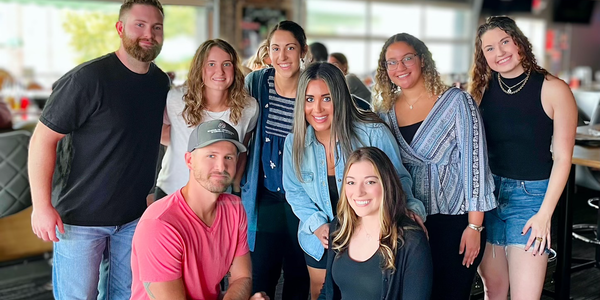
Introducing the VIPR Lab Grad Students!
[A fun night of candlestick bowling!] Brenna Dunlap I am a first year Ph.D. student working as a research assistant under Dr. Jessie Huff. Currently, …
Read more →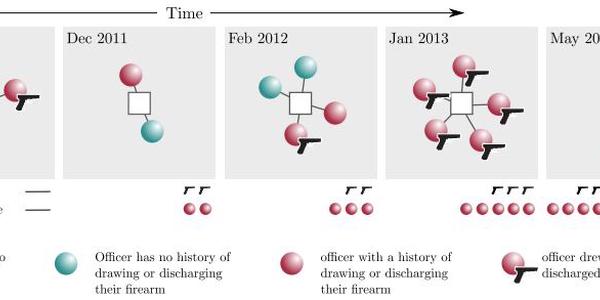
Officer Networks and Firearm Behaviors: Assessing the Social Transmission of Weapon-Use
Background It is no secret that policing is group work – officers are assigned to beats/units, workgroups, and partnerships based on districts or …
Read more →
Can body-worn cameras eliminate differences in arrest and use of force in minority neighborhoods?
As an MA student in 2014, I watched protesters advocate for police reform to address racial/ethnic disparities after the death of Michael Brown at the …
Read more →